In the intricate domain of
bioinformatics, the convergence of deep learning and genomic research marks a
pivotal moment in scientific advancement. At the heart of this convergence lies
the relentless pursuit of deciphering the genetic code, the very essence of life's
blueprint. Through the lens of deep learning, researchers now embark on a
journey of unprecedented precision and velocity, unravelling the complexities
woven into the genome. These advancements unlock novel insights into human
health, disease, and evolutionary biology, reshaping the landscape of
bioinformatics.
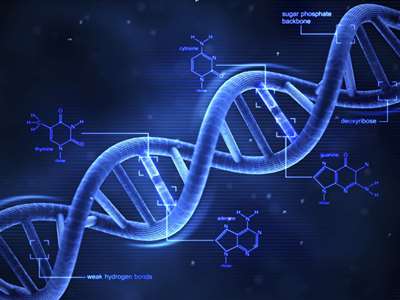
The genetic code, entwined within DNA
sequences, harbors the instructions for orchestrating the mechanisms of living
organisms. Deciphering these sequences and unravelling their intricate functions
is paramount for advancing our understanding of biology and forging paths
toward novel treatments for diseases. Traditional methods of genomic analysis,
often reliant on manual interpretation and laborious experimentation, yield
slow progress and restricted insights. However, with the advent of deep
learning, researchers harness the transformative power of artificial
intelligence to glean meaning from vast genomic datasets in ways previously
inconceivable.
A primary application of deep
learning in bioinformatics lies in the analysis of genomic sequences. Deep
learning algorithms, notably convolutional neural networks (CNNs) and recurrent
neural networks (RNNs), exhibit proficiency in discerning complex patterns and
relationships within these sequences. These algorithms enable tasks such as
gene prediction, sequence alignment, and variant calling with unprecedented
accuracy and efficiency. By training on expansive datasets of genomic sequences
and associated annotations, deep learning models uncover patterns indicative of
gene regions, regulatory elements, and functional motifs, providing invaluable
insights into gene expression regulation and genetic variation.
Furthermore, deep learning techniques
catalyze advancements in predicting and understanding protein structure and
function. Proteins, the molecular architects of cellular processes, derive
their functionality from intricate three-dimensional structures. Deep learning
models proficiently predict these structures from amino acid sequences,
furnishing insights into protein folding, interactions, and drug binding. Such
insights bear implications for drug discovery, personalized medicine, and
protein engineering. Leveraging advanced architectures such as deep
convolutional networks and recurrent neural networks, deep learning models
capture complex relationships between sequence and structure, empowering more
accurate predictions and deeper insights into protein biology.
In the realm of drug discovery, deep
learning assumes a transformative role in expediting the identification of
potential drug targets and the design of novel therapeutics. Predicting
drug-target interactions and simulating compound effects, deep learning models
expedite the identification of promising drug candidates with enhanced precision.
Moreover, by analysing vast genomic and clinical datasets, deep learning
techniques facilitate the development of personalized treatments tailored to
individual patients based on their unique genetic makeup. This personalized
approach augurs more effective therapies and improved patient outcomes
In conclusion, the fusion of deep
learning and bioinformatics signifies the dawn of a transformative era in
scientific exploration. This synergy transcends the confines of the genetic
code, unlocking profound insights into human health and disease. Empowered by
sophisticated algorithms and computational methodologies, researchers navigate
the complexities of the genome with unprecedented accuracy and speed. As we
persist in unravelling the intricacies of the genetic code, the boundless
potential of deep learning in bioinformatics beckons, offering a wealth of new
perspectives and avenues for advancing healthcare and enriching human welfare.