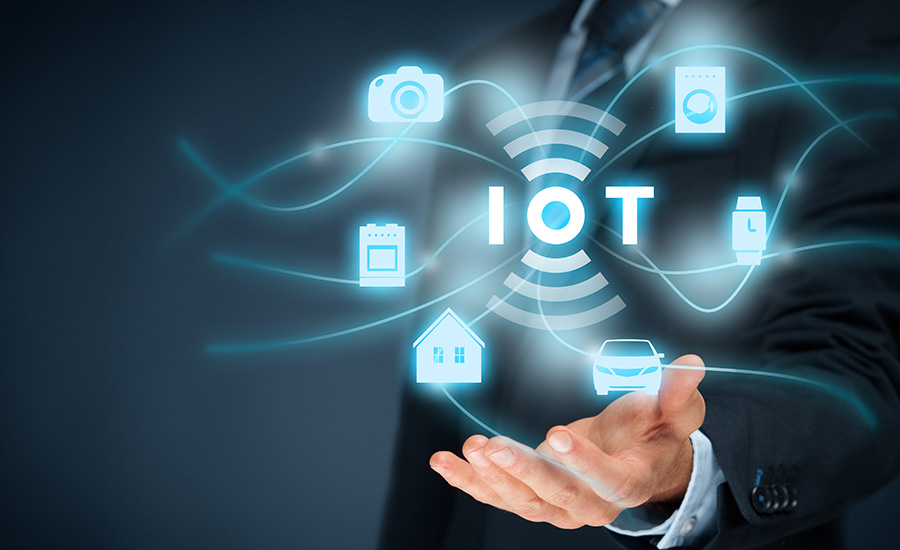
A new cosmos composed of signals and sensors rather than stars and galaxies is subtly emerging in the rapidly changing field of technology.Greetings from The Sensorverse, the huge and networked universe of Internet of Things sensors that drive our linked cities, smart factories, and smart homes.
The Sensorverse: What is it?
We can refer to the expanding network of sensors that are integrated into the physical environment and connected by the Internet of Things (IoT) as the Sensorverse. These tiny gadgets serve as our smart surroundings' eyes, ears, and skin, gathering data constantly to enable machines to comprehend and react to realworld situations. Sensors are the unsung heroes that operate in the background, whether it's a manufacturing robot preventing crashes, a wearable monitoring your heart rate, or a thermostat regulating the temperature in your house.
A sensor, or more often a mix of sensors, is at the core of every Internet of Things system.The Sensorverse is being shaped by the following major types:
Temperature sensors:
These are essential for industrial equipment monitoring, agriculture, and HVAC systems.
Proximity sensors: are found in self-driving cars and cellphones.
Motion sensors: are used to power gaming consoles, fitness trackers, and security systems. Environmental sensors: measure light levels, humidity, air quality, and more. Health devices have biometric sensors, which allow for realtime health monitoring.A rich, multifaceted understanding of an environment is produced by combining the distinct types of data that each sensor collects.
How Industries Are Being Transformed by the Sensorverse
The Sensorverse is actively changing industries all around the world; it's not just a concept:
Healthcare: Early diagnosis and individualized treatment are made possible by wearable technology and remote monitoring devices.
Manufacturing: Sensors are used in smart factories to optimize processes and do predictive maintenance.
Agriculture: Farmers can make informed judgments regarding fertilization and irrigation by using sensors in their crops and soil.
Smart Cities: Realtime sensor data improves everything from waste management to traffic flow.
Obstacles in the Sensorverse Tremendous responsibility comes with tremendous data.Challenges associated with the Sensorverse's growth include:
Data Overload: A strong infrastructure is needed to handle and analyze the enormous volume of sensor data.
Interoperability: For devices made by several manufacturers to function well together, they must speak the same language.
Gazing Ahead
The Sensorverse continues to grow.Its expansion is being accelerated by developments in 5G, edge computing, and AI,which make it possible for systems to become quicker, smarter, and more autonomous.The Sensorverse will serve as the foundation for this shift as we continue to conflate the digital and physical realms.
Concluding remarks:
We have only just begun to explore the sensorverse’s potential.Sensors will feel as natural as the air around us—invisible but necessary as they get smaller, less expensive, and more potent.Navigating the future of linkedliving requires an awareness of this cosmos, regardless of whether you're a developer, business owner, or just a tech enthusiast.