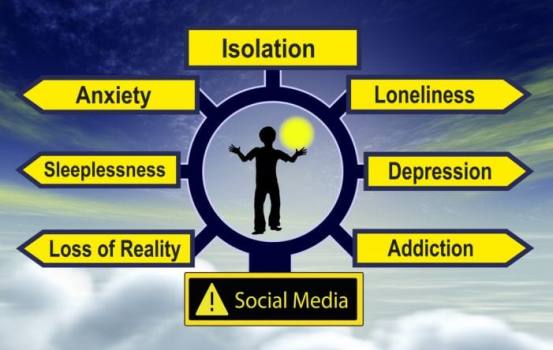
In an era dominated by
glowing screens and endless feeds, social media has become an undeniable
fixture in our lives. While it offers unparalleled connectivity and access to
information, its impact on our mental health is a complex and often concerning
topic. The carefully curated realities, the constant comparisons, and the
pressure to maintain a perfect online persona can take a toll on our
well-being.
One of the most
significant issues is the phenomenon of social comparison. Scrolling
through meticulously edited photos and highlight reels can trigger feelings of
inadequacy and low self-esteem. We often forget that what we see is a carefully
constructed version of reality, not the whole picture. This constant exposure
to seemingly perfect lives can lead to a distorted perception of our own,
fostering feelings of envy and dissatisfaction.
Furthermore, cyberbullying
and online harassment are rampant on social media platforms. The anonymity
and distance provided by the internet can embolden individuals to engage in
hurtful and abusive behaviour, causing severe emotional distress and even
leading to anxiety and depression in victims. This constant threat of online
negativity can create a climate of fear and insecurity.
The fear of missing out
(FOMO) is another significant contributor to social
media-related anxiety. The constant stream of updates and notifications can
create a sense of urgency and pressure to stay connected, leading to compulsive
checking and a feeling of being perpetually "behind." This can
disrupt sleep patterns, increase stress levels, and hinder our ability to focus
on real-life experiences.
Moreover, social media
can contribute to feelings of isolation and loneliness. While it
promises to connect us, it can paradoxically lead to a sense of disconnect from
genuine human interaction. Spending hours online can replace face-to-face
conversations and meaningful relationships, leaving us feeling emotionally
isolated despite being surrounded by virtual connections.
The impact on sleep
is also a major concern. The blue light emitted from screens can disrupt our
natural sleep-wake cycle, leading to insomnia and poor sleep quality. This can
further exacerbate mental health issues, as sleep deprivation is linked to
increased anxiety, depression, and irritability.
However, it's crucial
to acknowledge that social media is not inherently bad. It can be a powerful
tool for connection, community building, and accessing support. Many
individuals find solace and support groups online, particularly those facing
specific challenges or marginalized communities. It can also be a valuable
platform for raising awareness about mental health issues and promoting
positive change.
So, how can we navigate
the complexities of social media and protect our mental well-being?
Social media is a
powerful tool, but like any tool, it can be used for good or ill. By being
mindful of its impact and taking steps to protect our mental well-being, we can
harness its benefits while mitigating its risks.