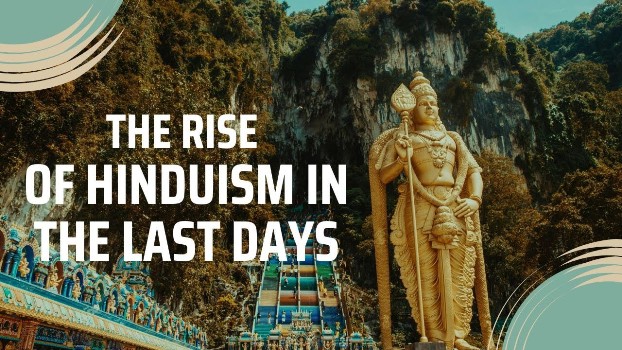
The celebration of Kumbh at such a mega-scale, attracting enormous attention
not just of Indians but world-wide has left many wondering over this sudden
global interest in India at one of the oldest religious conglomeration of native sages and seers in the nation. The immeasurable
size of the present Kumbh Mela, from what used to be a rather large scale
Indian Mela can be seen as a sign of global interest in Indian Culture. Shunning
its previous image of a land of snake charmers, steeped into poverty, India as
a nation has come a long way since its early years of post independence era. Reeling
as it was against a traumatic political and economic exploitation of 200 years
of colonial rule, leaving the country impoverished with wayward monsoons and
extreme levels of poverty and next to little industrial development. The story
would have continued on the same trajectory but for the several socio-economic
factors at the global scale impacting the policies of India as a country.
The rise of modern India
particularly in post liberalized era has brought a major shift in the way the
country is perceived from outside. The forces of globalization collided with
Indian Economic Liberalization paving the way in people’s thoughts, beliefs and
ideas. Opening the doors of India to foreign investment, privatization, spread
of education, rise of services sector, migration of educated young population
to western countries, influence of cable networks and finally internet all deeply inspired a rise of new Hinduism
evident in the rise of Bharatiya Janata Party in the early 1990’s. A political
party which could not even muster two seats in Lok Sabha, rose to power under
the charismatic duo of L. K. Advani and Atal Bihari Bajpayi. The political
creed of the majority party curried favour with the masses who now found a way
to vent their feeling of having been betrayed over the settlement for
Independence, which led to the anguish of partition and creation of Pakistan.
The new political bosses in BJP en-cashed
on a deep seated resentment of the majority Hindus, introducing religious hues
to an avowedly secular constitution and polity. India as a nation slowly
transitioned from a secular socialist country to a nation espousing majoritism.
Taking a cue from followers of other religions there emerged an assertion and
pride in all things not just Indian but Hindu. Small time celebrations occupied
centre stage being sold as epitome of Hindu Cultural Ideology, everything from
Akshay Tritiya to Diwali and now Kumbh gained an unprecedented scale serving as
glimpses of a religion of peace loving but progressive people.