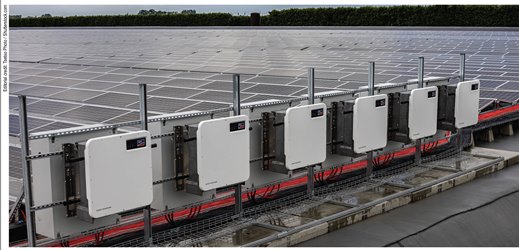
As the demand for efficient and reliable
power solutions continues to grow, inverter technology has seen significant
advancements. Inverters, which convert direct current (DC) into alternating
current (AC), are essential components in a wide range of applications, from
renewable energy systems to household appliances. This blog explores the latest
trends in inverter technology, highlighting innovations that are driving
efficiency, versatility, and sustainability in the power sector.
1. Smart Inverters
Integration with IoT
Smart inverters are increasingly being
integrated with Internet of Things (IoT) technology, allowing for enhanced
monitoring and control. These inverters can communicate with other smart
devices and systems, providing real-time data on performance, energy
consumption, and system health. This connectivity enables users to optimize
energy use, predict maintenance needs, and improve overall system efficiency.
Advanced Monitoring and
Diagnostics
Modern inverters come equipped with
sophisticated monitoring and diagnostic tools that provide detailed insights
into their operation. These tools can detect faults, inefficiencies, and
potential failures before they become significant issues, thereby reducing
downtime and maintenance costs. The ability to remotely monitor and manage
inverter performance is particularly valuable for large-scale solar
installations and industrial applications.
2. High Efficiency and
Performance
Silicon Carbide (SiC) and Gallium
Nitride (GaN) Inverters traditional silicon-based inverters are being replaced
by those using advanced semiconductor materials like Silicon Carbide (SiC) and
Gallium Nitride (GaN). These materials offer superior efficiency, higher
switching frequencies, and better thermal performance. As a result, SiC and GaN
inverters are smaller, lighter, and more efficient than their silicon
counterparts, making them ideal for applications where space and efficiency are
critical.
Maximum Power Point
Tracking (MPPT)
MPPT technology is a key feature in
modern inverters, particularly those used in solar power systems. MPPT
algorithms optimize the power output from solar panels by continuously
adjusting the electrical operating point. This ensures that the system extracts
the maximum possible power from the solar array under varying conditions, such
as changes in sunlight intensity and temperature.
3. Grid-Interactive
Inverters
Energy Storage
Integration
With the increasing adoption of energy
storage systems, grid-interactive inverters are becoming more popular. These
inverters can seamlessly integrate with battery storage, allowing for better
energy management and utilization. They enable features such as peak shaving,
load shifting, and backup power during grid outages. By coordinating with
energy storage systems, grid-interactive inverters help stabilize the grid and
enhance energy resilience.
Support for Microgrids
Microgrids, which are localized grids
that can operate independently or in conjunction with the main grid, benefit
greatly from advanced inverter technology. Inverters used in microgrids must be
capable of handling complex power flows and maintaining grid stability. Modern
inverters offer features like islanding detection, seamless grid
synchronization, and support for multiple power sources, making them ideal for
microgrid applications.
4. Modular and Scalable
Designs
Plug-and-Play
Solutions
The trend towards modular and scalable
inverter designs is making installation and expansion easier and more
cost-effective. Plug-and-play inverters can be easily added to existing systems
without the need for extensive reconfiguration. This flexibility is
particularly beneficial for residential and commercial solar installations,
where energy needs may grow over time.
Customizable
Power Ratings
Manufacturers are offering inverters
with customizable power ratings to meet the specific needs of different
applications. This allows users to tailor their power solutions to match their
exact requirements, optimizing both performance and cost. Customizable
inverters are especially useful in industrial settings where power demands can
vary significantly.
5. Enhanced Reliability
and Longevity
Robust
Thermal Management
Advanced thermal management technologies
are being incorporated into modern inverters to enhance their reliability and
longevity. Improved cooling systems, such as liquid cooling and advanced heat
sinks, help maintain optimal operating temperatures, reducing the risk of
overheating and component failure. These innovations extend the lifespan of
inverters and improve their overall performance.
Enhanced
Durability
Inverters designed for harsh
environments, such as outdoor solar installations and industrial applications,
are being built with enhanced durability features. These include rugged
enclosures, corrosion-resistant materials, and protection against dust and
moisture. Such design considerations ensure that inverters can withstand
challenging conditions and maintain reliable operation over time.
6.
Sustainability and Eco-Friendliness
Reduction
in Material Usage
The latest inverters are being designed
with a focus on sustainability, reducing the use of materials and minimizing
environmental impact. Advanced manufacturing techniques and the use of lightweight,
recyclable materials contribute to the eco-friendliness of these devices.
Energy
Efficiency
Higher energy efficiency not only
reduces operational costs but also contributes to lower carbon emissions. By
maximizing the conversion efficiency of DC to AC power, modern inverters help
reduce the overall energy footprint of renewable energy systems and other
applications.
Conclusion
The latest trends in inverter technology
are driving significant improvements in efficiency, reliability, and versatility.
From smart inverters integrated with IoT and advanced diagnostics to
high-efficiency designs using SiC and GaN, the innovations in this field are
transforming how we generate, manage, and use power. As the demand for clean,
reliable, and efficient energy solutions continues to grow, inverter technology
will play a crucial role in shaping a sustainable energy future. By staying
informed about these trends, consumers, businesses, and policymakers can make
better decisions and contribute to a greener planet.