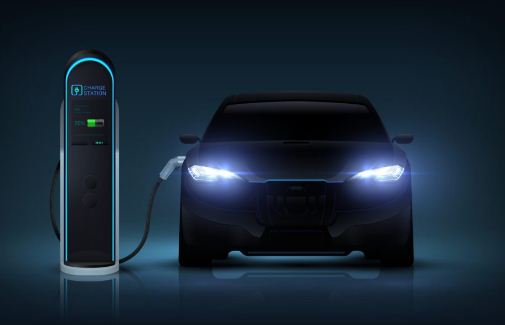
In recent years, the automotive
industry has been witnessing a monumental shift towards electric vehicles
(EVs). This transition marks a significant step towards reducing carbon emissions,
combating climate change, and creating a sustainable future. As the world
grapples with environmental challenges, the rise of electric vehicles offers a
promising solution.
Electric vehicles, commonly
referred to as EVs, are automobiles powered by electric motors, using energy
stored in rechargeable batteries. Unlike traditional internal combustion engine
vehicles that rely on fossil fuels, EVs run on electricity, making them cleaner
and more environmentally friendly.
What is the Environmental
Impact?
One of the primary motivations
behind the adoption of electric vehicles is their positive impact on the
environment. Unlike gasoline-powered cars, EVs produce zero tailpipe emissions,
which help reduce air pollution and mitigate the effects of climate change. By
transitioning to electric vehicles, we can significantly decrease our carbon
footprint and work towards achieving global climate targets.
Challenges and
Solutions
Despite their numerous benefits,
electric vehicles still face some challenges, including limited driving range,
longer charging times, and the availability of charging infrastructure.
However, ongoing research and development efforts are addressing these issues.
Advancements in battery technology are extending the range of EVs, while the
expansion of charging networks is making it more convenient for drivers to
recharge their vehicles.
Government
Support and Incentives
Governments around the world are
implementing policies and incentives to promote the adoption of electric
vehicles. These measures include tax incentives, rebates, subsidies for
purchasing EVs, and investments in charging infrastructure. By encouraging
consumers to switch to electric vehicles, policymakers are accelerating the
transition towards a low-carbon transportation system.
Following
steps have been taken by the Government to promote adoption of electric
vehicles in the country:
Merits of
Electric Vehicles
·
Lower
Emissions: As mentioned earlier, EVs produce zero tailpipe emissions, making
them cleaner and greener alternatives to conventional vehicles.
·
Energy
Efficiency: Electric motors are more efficient than internal combustion
engines, converting a higher percentage of energy from the battery to power the
vehicle.
·
Reduced
Operating Costs: EVs have lower fueling and maintenance costs compared to
traditional vehicles. Electricity is generally cheaper than gasoline, and
electric motors have fewer moving parts, resulting in reduced maintenance
expenses.
·
Quiet
and Smooth Operation: Electric vehicles operate more quietly and smoothly than
their gasoline counterparts, offering a more pleasant driving experience.
·
Technological
Advancements: The electric vehicle industry is rapidly evolving, leading to
innovations in battery technology, charging infrastructure, and vehicle design.
The Future of
Electric Vehicles
The future of electric vehicles
looks promising, with automakers investing heavily in electric vehicle
technology and infrastructure. Companies like Tesla, Nissan, Chevrolet, and BMW
are leading the way in producing electric cars that are both affordable and
technologically advanced. With growing awareness of environmental issues and
increasing consumer demand for sustainable transportation options, electric
vehicles are poised to become mainstream in the coming years.
Conclusion
The rise of electric vehicles
represents a significant paradigm shift in the automotive industry, offering a
cleaner, greener, and more sustainable alternative to traditional
gasoline-powered cars. With advancements in technology, supportive government
policies, and changing consumer preferences, electric vehicles are set to
revolutionize the way we drive and pave the way towards a cleaner, healthier
planet. As we embrace the electric vehicle revolution, we move closer to
creating a more sustainable future for generations to come