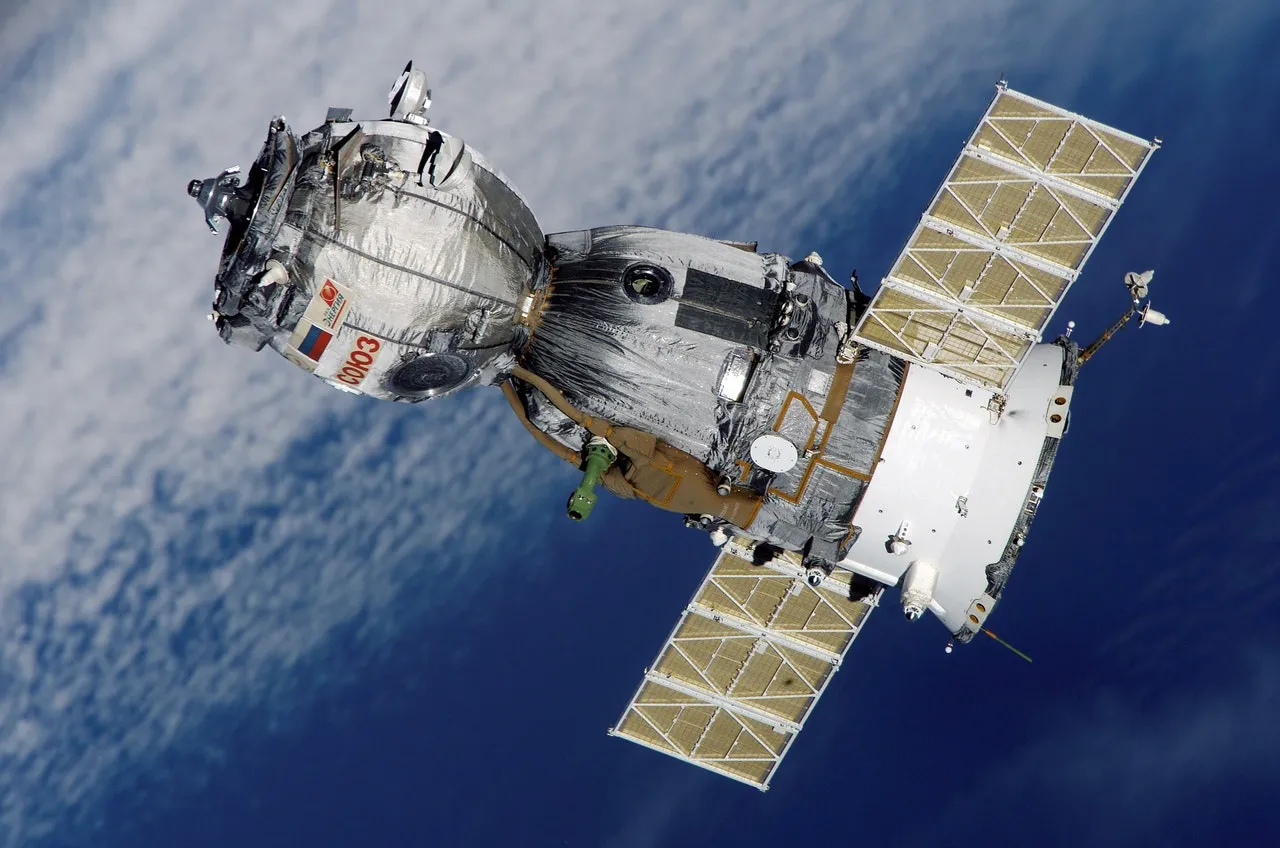
The technology that made space study possible has an out-of-this-world influence on the earth. Technology drives exploration to the Mars, Moon on beyond. Space research is scientific study carried out in outer space and by learning outer space. Space technology includes space vehicles such as satellites, space stations, and space craft and other orbital launch vehicles, in-space propulsion, deep-space communication and wide variety of other technologies. The first country from Earth to put on any technology into space was Soviet Union, known as the “Union of Soviet Socialist Republic”, they sent the Sputnik 1 satellite on October 4, 1957.
The first successful human spaceflight was Vostok1, carried a 27 year old Soviet cosmonaut Yuri Gagarin in April 1961. This mission was controlled by either automatic systems or by ground control. The first study to impact on the surface of the Moon was the soviet probe Luna 2, which made its landing on September 14, 1959. The far surface of the moon was photographed in October 7, 1959. Humans first landed on the Moon on July 20, 1969 and the first human walked on the lunar surface was Neil Armstrong, commander of Appolo1.
The space research activities were initiated in India in 1960’s when the satellites application was in experimental stages even in the USA. Dr VIkram Sarabhai was the founder of Indian space program, quickly recognized the benefits of space technologies in India.Aryabhata, the first Indian satellite was launched on April19, 1975. Although it was formerly launched by the Soviet Union, provides the basics of learning satellite technology to India. The Indian Space Research Organization is the national space agency in India and it operates under the department of Space and directly supervised by the Prime Minister of India.
Indian Space activities began at Thumba Equatorial Rocket Launching Station (TERLS), located at Thumba near Thiruvanathapuram. As the geometric equator of the earth has passes over Thamba, it is selected for Rocket launching station During 1975-1976, ISRO along with NASA developed resources of using space communication system for TV broadcasting. Hard work to develop an orbital launch vehicle began after grasping sounding rocket technology. India’s space program stands out one of the most cost-effective in the world. India has gained worldwide recognition for launching lunar probes, ferrying foreign satellites, building satellites, and has been succeeded in reaching Mars.
The arrival of PSLV in 1990s became a major enhancement for the Indian space program. With the exception of its first flight in 1994 and after 2 partial failures, later PSLV had a splash of more than 50 successful flights.
1. Bhaskara-I - an experimental satellite for earth explanations was launched on June 7, 1979 by India. Indian National Satellite system (INSAT)-
1A was launched on April 10 in 1982 and this system was for the communication, broadcasting and meteorology. ISRO was under US government sanctions May 6, 1992 to 6 May 1994. After the USA declined to help India with Global Positioning System technology during the Kargil war, ISRO was initiated to develop its own satellite navigation system IRNSS which it is now expanding further. In 2003, when China sent humans into space, Prime Minister Atal Bihari Vajpayee advised scientists to develop technologies to land humans on the Moon and programs for lunar, terrestrial and crewed missions were started.
ISRO launched Chandrayaan-1 in 2008, the first review to verify the presence of water on the Moon and later in 2013 the Mars Orbiter Mission, the first Asian spacecraft to enter Martian orbit; India was the first country to succeed at that on its first effort. India’s economic progress has made its space program more visible and active as it focuses on greater self-reliance in the space technology.