Introduction
The electric power sector is undergoing a remarkable transformation due to increasing electricity demand, rapid urbanization, industrial growth and renewable energy
integration. Traditional grids are no longer sufficient because they were designed for oneway power flow. Modern consumers require reliable, efficient and intelligent electricity
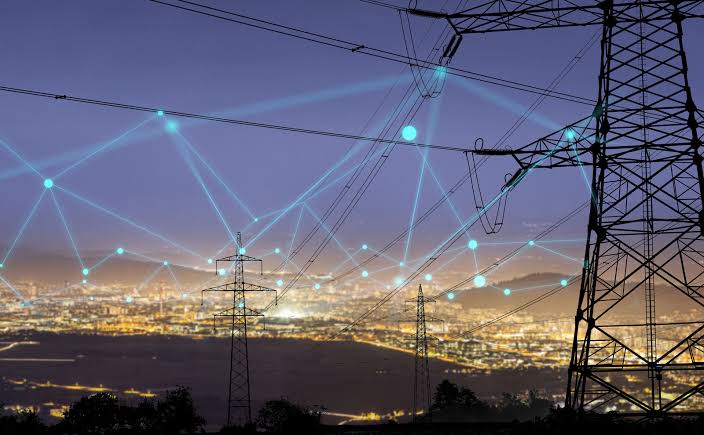
services. A Smart Grid combines digital communication, automation, sensors and intelligent control with the conventional power system. It enables two-way communication between
utilities and consumers, allowing real-time monitoring, faster fault detection, improved energy management and better reliability. This technology minimizes outages, reduces
losses and supports renewable energy.
Key Components
Smart meters provide real-time consumption data. Advanced sensors continuously monitor the transmission and distribution network. Communication networks connect substations, control centres and consumers. Automated substations quickly isolate faults and restore supply. Battery storage and renewable energy systems improve grid flexibility.
Benefits and Applications
Smart grids improve reliability, reduce technical losses and increase energy efficiency. They integrate solar, wind and electric vehicles while supporting demand response. Applications include smart cities, industries, hospitals, commercial buildings, microgrids and EV charging stations. Consumers can monitor electricity usage and reduce bills through smart metering.
Challenges and Future Scope
The major challenges include high installation costs, cybersecurity risks, interoperability issues and the requirement for skilled manpower. However, Artificial Intelligence, Internet of Things, cloud computing and advanced analytics are making smart grids more secure, intelligent and efficient.
Conclusion
Smart grids represent the future of modern electricity networks. They improve power quality, enhance reliability, encourage renewable energy adoption and contribute to sustainable development. India’s transition towards smart grids will strengthen energy security and support economic growth while ensuring environmentally responsible power distribution.
References
1. Ministry of Power, Government of India.
2. IEEE Smart Grid Resource Center.
3. International Energy Agency (IEA).
4. Central Electricity Authority (CEA).