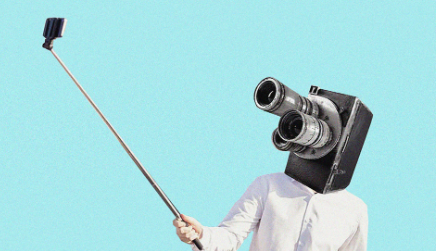
The
rise of smartphones and social media has ushered in a global fascination with
selfies—self-portraits captured to share moments, moods, and milestones. While
seemingly simple, selfie behavior reflects deeper psychological, social, and
cultural trends. What drives people to take selfies, and what does it say about
us?
At
its essence, taking a selfie is a way to express one's individuality and
personality.It
allows individuals to present their identity, creativity, and emotions in a
visual format. Selfies serve as a modern-day storytelling tool, letting people
document their lives and share their unique perspectives with the world. From
showcasing a new outfit to capturing breathtaking travel destinations, selfies
give users a way to celebrate themselves and their surroundings.
Social
media platforms amplify this phenomenon by offering instant validation through
likes, comments, and shares. The dopamine boost from online engagement reinforces
selfie-taking behavior, turning it into a cyclical habit for many. However, the
desire for approval can also lead to excessive self-comparison and insecurity,
particularly among younger users. Filters and editing tools, while enhancing
creativity, sometimes promote unrealistic beauty standards, further
complicating the relationship between selfies and self-esteem.
Selfies
also hold cultural significance. In the digital age, they are a way to assert
presence and agency in a crowded online world. For marginalized groups, selfies
can be a powerful act of visibility and empowerment. For others, they’re a way
to participate in global trends, from harmless challenges to viral movements.
The hashtag culture surrounding selfies, such as #NoFilter or #SelfLove,
highlights the diversity of motivations behind these images.
Interestingly,
research into selfie behavior reveals personality traits that may influence how
often people take selfies. Extroverts, for instance, may use selfies to connect
socially, while introverts might use them as a controlled way to share their
lives. Narcissism is often cited in selfie studies, but it’s essential to
distinguish between healthy self-confidence and excessive self-focus.While
selfies are often criticized for being superficial or narcissistic, they also
serve valuable purposes. They help people celebrate their individuality,
connect with others, and preserve memories. When balanced with mindfulness and
self-awareness, selfies can be a positive form of self-expression rather than a
source of stress or validation-seeking.