In India, the majority of the population
resides in rural areas, where access to basic infrastructure such as roads,
clean water, sanitation, electricity, and healthcare remains a major challenge.
Despite these challenges, recent years have seen a concerted effort to improve
infrastructure in these regions. Strengthening rural infrastructure is not just
about building roads or providing electricity; it’s about transforming rural
life, improving economic opportunities, and bridging the gap between urban and
rural India.
Road Connectivity: Building Bridges to Opportunity
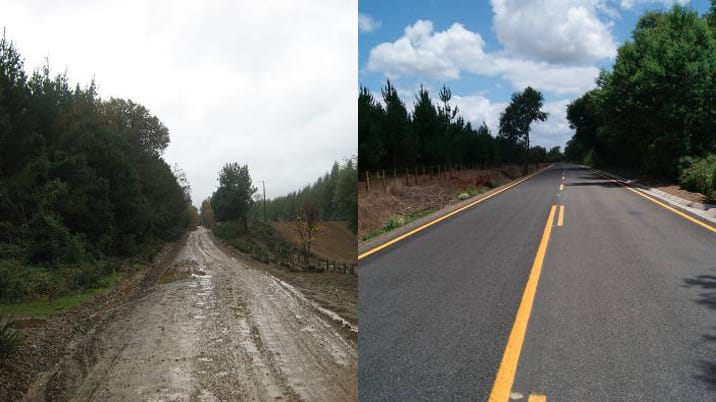
Road infrastructure is
essential for linking rural areas to essential services and markets. Through
the Pradhan Mantri Gram Sadak Yojana (PMGSY), thousands of kilometers of roads
have been built and upgraded, improving connectivity in remote villages. This
has helped local economies by easing transportation for farmers and reducing
costs. Improved roads also ensure quicker access to healthcare and education,
while facilitating faster emergency response.
Water
Supply and Sanitation: Improving Health and Quality of Life
In rural India, access to clean drinking
water has been a persistent problem, with many villages depending on far-off
and often unsafe water sources. To tackle this, initiatives such as the
National Rural Drinking Water Programme (NRDWP) have enhanced water access by
installing hand pumps, water filtration units, and piped water systems.
Similarly, the Swachh Bharat Abhiyan has made significant progress in
sanitation by constructing millions of toilets, helping eliminate open
defecation. These initiatives have not only improved public health and reduced
waterborne diseases but have also given rural families, especially women and
children, greater privacy and dignity.
Electrification: Empowering Rural Areas with Energy
Reliable electricity is crucial for
development, and the Deen Dayal Upadhyaya Gram Jyoti Yojana (DDUGJY) is addressing power shortages in rural areas
by improving infrastructure. Solar energy is also making a significant impact,
providing off-grid power to remote villages and reducing dependence on fossil
fuels. These initiatives are driving both sustainability and growth in rural
communities.
Digital Infrastructure: Connecting Rural India to the World
Digital connectivity
has brought significant change to rural areas, enabling access to vital
resources such as weather forecasts, agricultural tips, and government services.
The Digital India initiative has
expanded access to online banking, healthcare, and education. This
transformation helps farmers make better decisions with real-time data and
offers rural entrepreneurs the chance to reach broader markets.
Education
and Skill Development: Fostering Human Capital
Rural schools in
India often struggle with overcrowding and limited resources. However, programs
like Sarva Shiksha Abhiyan (SSA) and Rashtriya
Madhyamik Shiksha Abhiyan (RMSA) are working to enhance access to
education. In addition, Pradhan Mantri Kaushal Vikas Yojana (PMKVY)
offers vocational training in sectors like agriculture and construction. These
initiatives are equipping rural youth with valuable skills, boosting employment
prospects and encouraging entrepreneurship.
Conclusion:
A Vision for the Future
The improvement of
rural infrastructure in India is a gradual but vital process, seen in better
roads, water supply, electricity, education, and digital connectivity. These
advancements are strengthening rural communities and expanding their access to
essential services and opportunities. With sustained investment, rural India
will remain crucial to the nation’s progress, promoting a more inclusive and
equitable future.