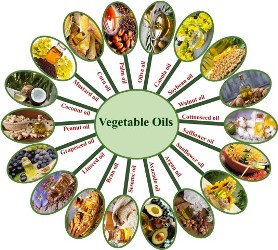
If we talk the realm of
culinary fundamentals, vegetable oils are the emperor. They are the backbone of
uncountable recipes, enhancing savour, richness and appearance to dishes around
the world. However, in the midst of shelves are well stocked with an array of
vegetable oils, lies a vulnerable enigma of adulteration.
Adulteration in vegetable oils is a pervading concern, with wide
range of repercussion for both consumers and manufacturer. Unscrupulous
practices such as dilution with cheaper oils, addition of dyestuff for proving
extreme color, and masking of rancidity causes significant health hazards and
compromise the coherence of the food industry. One of the primary motivations
behind adulteration is the increased demand of vegetable oil and to make
maximum profit by less investment. Blending high-quality oils with cheaper
alternatives or by adding harmful
substances, unscrupulous suppliers can cut
costs and maximize profits.
Mineral oils, karanja oil, castor oil, triorthocresyl phosphate
, oil soluble colors, aflatoxins, pesticides, aflatoxins etc are most common
vegetable oil adulterants. However, this deception comes at a grave cost to
public health.
Consumption of adulterated vegetable oils can lead to a plethora
of health complications. Dilution with inferior oils may introduce harmful trans-fats,
which are known to increase the risk of heart disease and other cardiovascular
ailments. Moreover, the addition of colorants and preservatives can trigger
allergic reactions and exacerbate existing health conditions. Non-permitted
colors like Auramine, Rodamne B, Sudan Red, Melachite Green, Orange II may lead to the retardation of growth and also
impact the proper functioning of vital organs like liver, kidney, heart , lungs
and immune system. All the non-permitted colors can also bring about changes in
genes have been identified as potential cancer causing agent.
Furthermore, the prevalence of adulteration, subvert consumer
confidence in the food industry. In an era where transparency and authenticity
are valued commodities, the exploration of deceitful practices weaken the trust
and tarnishes the reputation of legitimate manufacturers.
Combating the scourge of adulteration requires a concerted
effort from all stakeholders. Governments must enact and enforce stringent
regulations to deter the deceptive practices and hold perpetrators accountable. Transparency and traceability in the supply chain are very essential
to ensure the integrity of vegetable oils from crop land to kitchen table. Consumers also play a crucial role in the war against
adulteration. By staying informed about common adulterants and about the scrutinizing
product labels individuals can make informed choices and demand accountability
from manufacturers. Additionally, supporting reputable brands and purchasing from trustworthy resources can help incentivize
ethical practices within the industry.
In conclusion, adulteration in vegetable oils is a pressing
issue that demands immediate attention and decisive action. By heighten the
awareness, tighten the rules and regulations, and fostering a culture of
integrity, we can safeguard individuals health and validate the principles of
transparency and trust in the food production chain. Let us together, shine a light
on the unseen hazard of adulteration and strive for a sustainable future where
purified, unadulterated vegetable oils reign the culinary food traditions.