In
today’s digital era, traditional advertising through billboards, TV, and print
is being replaced by dynamic and interactive platforms like Instagram, Facebook
and YouTube. Among the most impactful tools within these platforms is the short-form
video—especially reels. These quick, engaging visuals have become a
favorite format for brands aiming to capture attention in just a few seconds.
But while creating viral content is exciting, the real test lies in measuring
how effective these campaigns truly are.
To
evaluate success, marketers must focus on three essential pillars: Reels
(content), Reach (visibility), and ROI (Return on Investment).Reels form
the creative core of a social media strategy. When done well, a reel can
spread quickly; increasing brand awareness and even driving direct sales.
Brands often use reels for product demos, influencer tie-ups, customer stories,
or entertaining brand narratives. However, popularity alone doesn’t ensure
profitability. A reel with thousands of views may still underperform if it
doesn't drive measurable actions such as website visits, app downloads, or
purchases.
Next
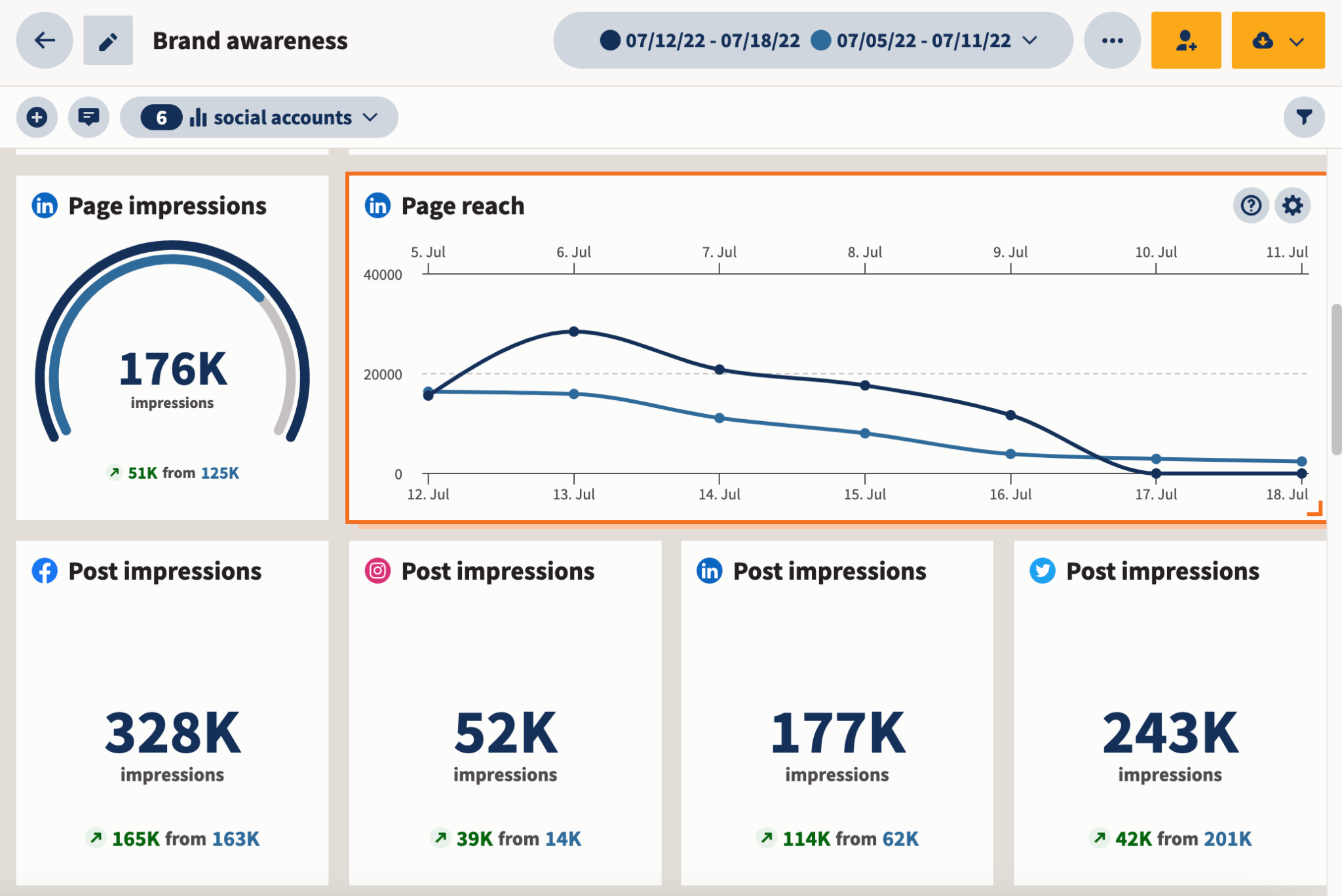
is reach, which tells us how many unique users have seen a post. Unlike
impressions, which count all views (including repeats), reach measures the
actual audience size. A high reach signifies that content is getting
distributed to new audiences—either organically or through paid ads. While
reach boosts brand visibility, it must be analyzed in context with engagement
and conversions to assess real impact.
The
most crucial component is ROI—the ultimate measure of campaign
effectiveness. ROI answers: Did the campaign generate business results?
For e-commerce, this might mean tracking purchases directly linked to reels.
For service providers, it could mean leads generated or inquiries received.
Brand campaigns may assess ROI through long-term metrics like customer loyalty
or increased recall.
To
track ROI, marketers use tools like UTM codes, Google Analytics, Meta
Business Suite, and CRM systems. These platforms help connect social
media interactions with user behavior, showing whether engagement leads to
conversion. For offline businesses, tracking tools might include promo codes or
QR-based offers. In addition to quantitative metrics, qualitative insights
are also vital. Comments, shares, and direct messages may not always translate
into immediate revenue but can provide deep understanding of consumer
sentiment. One key metric to monitor is the engagement rate, which shows
how well content resonates with the audience relative to reach.
To
optimize results, businesses should run A/B tests—varying content
formats, captions, posting times, or hashtags. By analyzing performance
patterns, marketers can refine their strategies for greater efficiency. In
conclusion; the success of a social media campaign depends on more than just
likes and views. Reels bring creativity, reach provides exposure,
but it’s the ROI that validates the campaign's true worth. When
creativity is backed by data-driven measurement, brands can turn engagement
into tangible business outcomes—converting scrolls into sales and followers
into loyal customers.