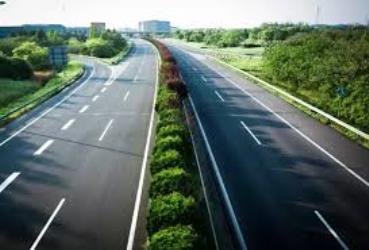
Forestation along both sides of State and
National highways in India is an important initiative for improving the
environment, enhancing biodiversity, and providing aesthetic value. We know
that transport network plays very vital role in the development of any nation
but the forestation is equally important to preserve the bio diversity and
environment.
Here are some comprehensive strategies which may
be considered to achieve this.
1. Policy and
Planning
- Government Policies: Advocate for policies that mandate a
certain percentage of highway construction budgets to be allocated for
tree planting and maintenance.
- Green Highways Policy: Implement and enforce the Green Highways
Policy (2015), which mandates the development of green corridors along
highways.
- Land Use Planning: Ensure that land adjacent to highways is
earmarked for afforestation and green cover in urban and rural planning
documents.
2. Awareness and Education
- Public Awareness Campaigns: Conduct campaigns to raise awareness about
the benefits of highway forestation and the importance of preserving green
cover.
- Educational Programs: Integrate environmental education programs
in schools and colleges to foster a sense of responsibility towards
forestation from a young age.
3. Tree Selection
and Planting
- Native Species: Prioritize planting native and
drought-resistant species that are well-suited to the local climate and
soil conditions.
- Diverse Planting: Use a mix of trees, shrubs, and grasses to
create a more resilient and diverse ecosystem.
- Spacing and Design: Design planting schemes that allow for
adequate spacing for growth and maintenance, and consider the long-term
impact on visibility and safety for drivers.
4. Maintenance and
Monitoring
- Irrigation Systems: Install efficient irrigation systems, such
as drip irrigation, to ensure the survival of young plants, especially in
arid regions.
- Regular Maintenance: Schedule regular maintenance activities,
including pruning, weeding, and pest control, to ensure the health and
growth of trees.
- Monitoring Programs: Implement monitoring programs using modern
technologies like GIS and remote sensing to track the growth and health of
the planted trees.
5. Funding and
Incentives
- Incentive Programs: Develop incentive programs for companies
and local bodies that actively participate in afforestation efforts.
- Corporate Social Responsibility (CSR): Encourage companies to allocate a portion
of their CSR funds to highway forestation projects.
- Grants and Subsidies: Provide grants and subsidies to support
tree planting and maintenance efforts.
6. Collaborative
Efforts
- Public-Private Partnerships: Encourage collaborations between government
agencies, private companies, and NGOs to fund and manage forestation projects.
- Community Participation: Involve local communities in planting and
maintaining trees, providing them with training and resources.
7. Research and
Development
- Research Projects: Support research on the best practices for
highway forestation, including the selection of species, soil improvement
techniques, and innovative planting methods.
- Pilot Projects: Implement pilot projects to test and refine
methods before scaling up.
8. Legal Framework
- Enforcement of Laws: Strengthen the enforcement of existing
environmental laws related to tree planting and protection.
- New Legislation: Advocate for new laws that mandate
forestation along highways and provide a clear framework for
implementation and accountability.
9. Technology
Integration
- Use of Drones: Employ drones for planting seeds in
hard-to-reach areas and for monitoring tree growth and health.
- Smart Irrigation: Implement smart irrigation systems that use
sensors and automation to optimize water usage.
10. International
Collaboration
- Global Best Practices: Learn from international best practices and
collaborate with countries that have successfully implemented large-scale
highway forestation projects.
By implementing these strategies, India can
significantly enhance forestation along its highways, contributing to
environmental sustainability and improving the quality of life for its
citizens.