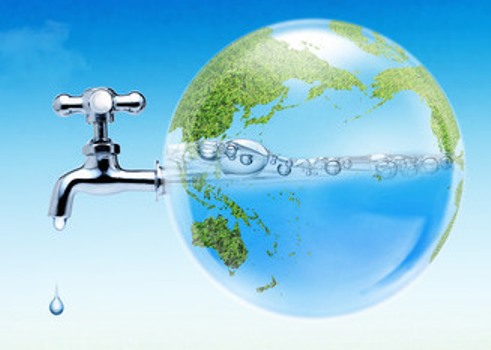
Water
is the lifeblood of our planet, essential for all forms of life and critical
for human survival. Despite its importance, the world is facing an increasing
shortage of water, posing severe challenges for communities, ecosystems, and
economies. This blog explores the causes, impacts, and potential solutions to
the global water crisis, highlighting the urgent need for sustainable water
management practices.
Understanding the Water Shortage
1. Causes of Water Scarcity
Water
scarcity is a multifaceted issue influenced by various factors:
•Population
Growth: The global population is increasing rapidly, driving higher demand for
water in agriculture, industry, and domestic use.
•Climate
Change: Changing weather patterns, including prolonged droughts and altered
precipitation, are reducing the availability of freshwater resources.
•Over-extraction
and Pollution: Excessive withdrawal of water from rivers, lakes, and aquifers
for agriculture and industrial activities depletes water sources. Pollution
from industrial discharge, agricultural runoff, and untreated sewage further
contaminates freshwater supplies.
•Inefficient
Water Use: Poor water management and outdated infrastructure lead to
significant water loss through leaks and inefficient practices.
2. Regions Most Affected
Water
scarcity is a global issue, but some regions are more vulnerable:
•Middle
East and North Africa: These regions face extreme water stress due to arid climates
and limited freshwater sources.
•South
Asia: Rapid population growth, agriculture-dependent economies, and changing
monsoon patterns contribute to water shortages.
•Western
United States: Prolonged droughts and overuse of the Colorado River and other water
sources have led to significant water shortages.
Impacts of Water Shortage
1. Human Health
•Drinking
Water Access: Millions of people lack access to safe drinking water, leading to
dehydration, waterborne diseases, and other health issues.
•Sanitation
and Hygiene: Water scarcity hampers sanitation efforts, increasing the risk of
diseases and affecting hygiene practices.
2.
Agriculture and Food Security
•Crop
Production: Water shortages limit irrigation, reducing crop yields and
threatening food security, particularly in regions reliant on agriculture.
•Livestock:
Insufficient water affects livestock health and productivity, impacting meat
and dairy production.
3. Economic Impact
•Industries:
Water-intensive industries, such as textiles, mining, and manufacturing, face
operational challenges and increased costs due to water scarcity.
•Employment:
Agricultural and industrial job losses can occur in regions severely affected
by water shortages, exacerbating economic instability.
4.
Environmental Impact
•Ecosystems:
Reduced water availability harms ecosystems, leading to the loss of
biodiversity, wetlands, and aquatic habitats.
•Climate
Feedback: Diminished freshwater sources can affect regional climates and
contribute to further environmental degradation.
Solutions to Water Scarcity
1.
Sustainable Water Management
•Efficient
Irrigation: Adopting drip and sprinkler irrigation systems can reduce water use
in agriculture and increase efficiency.
•Water
Recycling and Reuse: Treating and reusing wastewater for agriculture, industry,
and landscaping can alleviate pressure on freshwater sources.
2.
Conservation Practices
•Public
Awareness Campaigns: Educating communities about water conservation practices,
such as reducing household water use and fixing leaks, can promote sustainable
behavior.
•Water-Saving
Technologies: Implementing water-efficient appliances and fixtures in homes and
businesses can reduce water consumption.
3.
Policy and Governance
•Integrated
Water Resources Management (IWRM): Coordinating the development and management
of water, land, and related resources can optimize water use and
sustainability.
4.
Innovative Solutions
•Desalination:
Converting seawater to freshwater using desalination technology can provide
alternative water sources, particularly in coastal regions.
•Rainwater
Harvesting: Capturing and storing rainwater for use in agriculture and domestic
needs can supplement traditional water sources.
Conclusion
The
increasing shortage of water is one of the most pressing challenges of our time,
impacting human health, food security, economic stability, and environmental
sustainability. Addressing this crisis requires a multifaceted approach
involving sustainable water management, conservation practices, effective
policies, and innovative solutions. By taking collective action at the local,
national, and global levels, we can work towards a future where clean, reliable
water is accessible to all. It is imperative to prioritize water sustainability
to ensure the well-being of current and future generations.
Akash Varshney
Assistant Professor
EE Deptt.