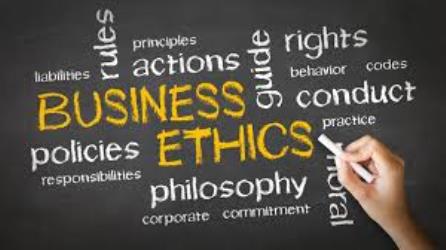
In today’s fast-paced and
interconnected world, navigating business ethics has become more crucial—and
more complex—than ever before. As companies expand globally and technology
evolves, maintaining ethical standards while balancing profitability and social
responsibility is a significant challenge.
Transparency and Accountability
One of the cornerstones of modern
business ethics is transparency. Companies are increasingly held accountable
for their actions, not just by regulatory bodies but by consumers, investors,
and the public. Clear, honest communication about business practices, from
sourcing materials to labor conditions, helps build trust and credibility.
Transparency is no longer a choice but a necessity for businesses aiming to
maintain a positive reputation.
Sustainability and Social
Responsibility
Sustainability has become a key
ethical consideration. Businesses are expected to go beyond mere compliance and
actively contribute to environmental protection and social well-being. This
involves adopting sustainable practices, such as reducing carbon footprints and
ensuring fair labor practices. Social responsibility also includes supporting
community initiatives and addressing societal issues, which can enhance a
company's reputation and long-term success.
Ethical Decision-Making
The rise of technology, including
artificial intelligence and big data, has introduced new ethical dilemmas.
Issues such as data privacy, algorithmic bias, and automation's impact on
employment require careful consideration. Companies must develop robust ethical
frameworks to guide decision-making, ensuring that technological advancements
align with their core values and respect for individuals' rights.
Employee and Stakeholder Engagement
Engaging employees and stakeholders
in ethical practices is vital. Organizations should foster a culture where
ethical behavior is encouraged and rewarded. Training programs, clear ethical
guidelines, and open channels for reporting unethical conduct are essential for
reinforcing ethical standards and addressing concerns proactively.
In conclusion, navigating business
ethics in the modern world demands a proactive, transparent, and inclusive
approach. By prioritizing ethical practices, businesses can build trust, drive
sustainable growth, and contribute positively to society.