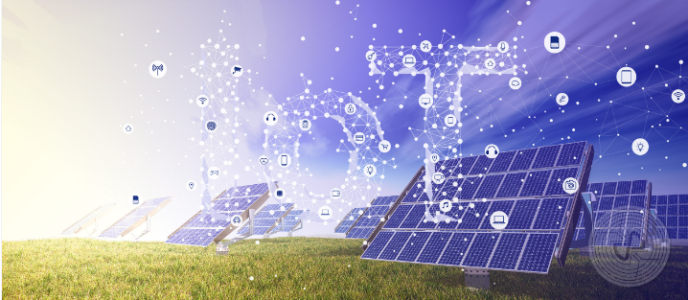
One of the most important
renewable energy sources that is spurring innovation is solar energy. Solar
energy has emerged as a prominent source of clean, renewable energy due to worries
about pollution and climate change. Solar energy not only lowers energy
expenses but also lessens our reliance on fossil fuels. Developments on the
Internet of Things have made solar energy a more viable and environmentally
friendly option for a greater variety of uses. Solar-powered electric car
charging stations, solar-powered smart sensors in manufacturing and
distribution systems, and solar-powered automobiles are a few examples of how
solar energy and the Internet of Things are combined.
Solar Car
IoT in Solar Tracking
A solar energy management system is Sun track® by P4Q. Leading the industry in PV solar tracker controllers, P4Q has made it possible for clients to see and monitor solar fields in real time from a distance all over the world. Sun track uses sophisticated algorithms to precisely locate the sun based on time and date, as well as weather predictions. The solar panel is meticulously repositioned to its ideal position by means of communication with a tracker control unit located beneath it. To enhance connection inside a small, low-profile, low-power package, this system is combined with a Digi XBee® 3 Zigbee 3.0 module. Pre-certified Digi XBee 3, which builds on world-class technology, provides the versatility to seamlessly transition between various frequencies and wireless protocols as required. The green enterprise now has the chance to closely monitor over 1,150 PV solar plants throughout the globe.
AGH Solar Boat Project
Solar
Energy in Vegetation Management
Photovoltaic solar panels blocked by weeds, grasses, and other natural plants cannot produce ecologically beneficial power, not even on bright days. Vegetation management at solar energy projects is being revolutionized by San Antonio-based Renu Robotics. The firm assists utility-scale solar power facilities in keeping weeds, grasses, and other vegetation under control so that they don't grow and block solar panels. They do this by using an advanced, autonomous electric mowing robot. With the use of strong batteries, wireless connectivity, artificial intelligence, and remote control, the "Renubot" is a mower/tractor that can cut grass between rows of photovoltaic sensors while maintaining reasonable plant lengths.
Solar Power Management in Residential
Applications
In order to either capture excess energy or provide enough power to the grid to balance out variations in generation and consumption, the Energy Management Controller (EMC) is equipped with proprietary software that calculates energy flow and makes adjustments for real-time fluctuations in solar generation and home consumption. In addition, the EMC has dashboard controls and cloud connectivity, which allow the electrical utility and the homeowner to view real-time data, remotely operate the system, and take necessary action.
The industry for
renewable energy has undergone a huge and noteworthy transition as a result of
growing environmental consciousness. At least 40% of the world's renewable
energy capacity is added to solar each year, making it the renewable energy
source with the greatest rate of growth. Automatic smart device integration
with solar solutions is made possible by an IoT-based system, which also
increases efficiency. Your ability to maximize energy production and identify
ideal energy-generating conditions can both be enhanced by these monitoring
systems. Only rooftop or ground-mounted solar panels could previously produce
solar energy. All the aforementioned technological advancements should,
however, lead to future improvements in solar energy's affordability,
adaptability, and general use.