The manufacturing industry is rapidly changing with the
adoption of advanced technologies such as artificial
intelligence, machine learning, and the Internet of Things. This
digital transformation significantly improved product quality and
reduced process and machine downtime. Industrial Internet
of Things and automation play an important role in
this process.
The Industrial Internet of Things (IIoT) is bringing huge disruption in industrial applications with its unique features. It greatly promotes manufacturing efficiency and workflow through real-time asset and process monitoring. IIoT brings with it many opportunities that industrialists can take advantage of to make the industry ten times better.
IoT (Internet of Things) and Industry 4.0 are
two closely related concepts that are transforming the landscape of
industries.
Internet of Things
(IoT): This refers to a network of physical
devices equipped with
sensors, software and
other technologies that connect
and exchange data with other devices and systems over the Internet. These
devices can range from simple household appliances to complex industrial machines. IoT
enables these devices to collect and exchange data, increasing automation, efficiency and innovation opportunities.
Industry 4.0: Also known as the fourth industrial revolution, Industry 4.0 represents the Internet of Things, artificial intelligence, big data and cloud computing and other advanced technologies in production processes. It aims to create "smart factories" that are well connected and optimized for efficiency, flexibility and customization. Industry 4.0 enables the digitization of production operations, which increases productivity, lowers costs and improves quality.
An important development of IoT
and Industry 4.0
IoT is responsible for the
super-fast development of Industry 4.0, where
everything is connected to a common network and operations
are largely automated, so there is no need for much human
intervention. Monitoring real-time data improves decision-making and
predictability and helps reduce potential future threats in
the industry related to asset management for
future work. The main stages of IoT
and Industry 4.0 development are:
• Connecting things
• Creating statistics
• Optimizing operations and processes
• Innovation
Some key components and technologies associated with IoT
and Industry 4.0 include:
Sensors and actuators: These devices are essential for collecting data from the
physical world and performing actions based on that data. Sensors gather
information such as temperature, pressure, and motion, while actuators can
control machinery and equipment.
Big Data and Analytics: The large volume of data generated by IoT devices
and manufacturing processes can be analyzed to gain insights, identify
patterns, and optimize operations. Big data analytics tools help
manufacturers make data-driven decisions to improve efficiency and quality.
Cloud Computing: Cloud platforms provide the infrastructure and resources for
storing, processing, and analyzing data from IoT devices and manufacturing
systems. Cloud computing enables manufacturers to access powerful computing
resources on demand and scale their operations as needed.
Artificial Intelligence
and Machine Learning: AI technologies,
including machine learning algorithms, enable machines and systems to
learn from data, make predictions, and automate tasks. In
manufacturing, AI can be used for predictive
maintenance, quality control, process optimization, and other
applications.
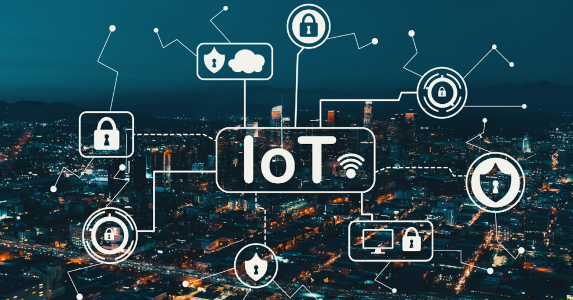
Cyber Security: With the increased connectivity and data exchange enabled by
IoT and Industry 4.0, cyber security has become a critical concern.
Manufacturers need to implement robust cyber security measures to
protect their systems, data, and intellectual property from cyber threats.
Conclusion:
Overall, IoT and Industry 4.0
are driving significant transformations in industries worldwide, leading to
more efficient, flexible, and connected manufacturing processes. However,
implementing these technologies requires careful planning, investment, and
expertise to realize their full potential while addressing associated challenges
such as cyber security and data