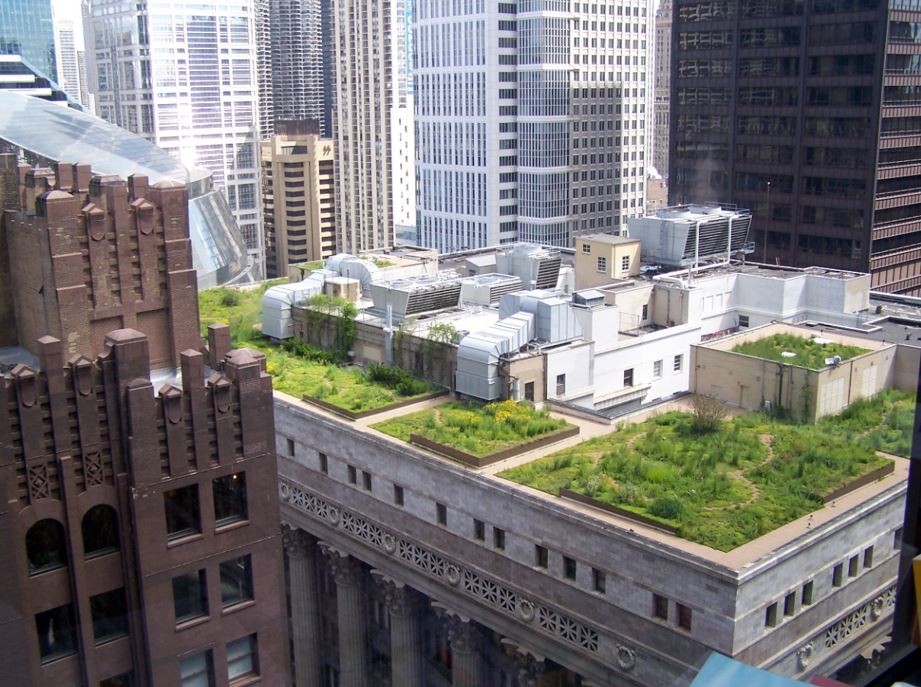
As urbanization continues to rise, cities face numerous challenges related to environmental
degradation, such as increased temperatures, air pollution, and reduced green spaces. However,
innovative solutions like green roof technology have emerged to combat these issues and
enhance sustainability in urban environments. Green roofs, also known as living roofs or eco-
roofs, involve the cultivation of vegetation on rooftops, transforming underutilized spaces into
eco-friendly oases. In this blog post, we'll explore how green roof technology is revolutionizing
urban landscapes, improving environmental health, and contributing to a more sustainable future.
The Basics of Green Roof Technology Green roofs come in various types, but the two primary
classifications are extensive and intensive green roofs.
Extensive Green Roofs: Characterized by a thin layer of lightweight vegetation and low-
maintenance plants. It is Ideal for retrofitting existing buildings due to their lighter load
requirements. It also offers benefits such as storm water management, thermal insulation, and
biodiversity support.
Intensive Green Roofs: More substantial and diverse than extensive green roofs,
accommodating a wider range of plant varieties. Requires deeper soil and higher maintenance
efforts but provides additional recreational space and landscaping opportunities and is suited for
new construction projects or buildings with robust load-bearing capacities.
The Environmental Benefits of Green Roofs Green roof technology offers an array of
environmental advantages, making them a promising tool for sustainable urban development:
Urban Heat Island Mitigation: Cities often experience higher temperatures due to the heat island
effect, where concrete and asphalt absorb and retain heat. Green roofs counteract this effect by
cooling the surrounding air through the process of evapotranspiration, reducing the overall
ambient temperature. Storm water Management: Impermeable surfaces in cities lead to increased
runoff during rain events, overwhelming drainage systems and causing floods. Green roofs act as
natural sponges, absorbing rainwater and slowly releasing it, significantly reducing the burden on
storm water infrastructure. Air Quality Improvement: Plants on green roofs absorb carbon
dioxide and other pollutants, mitigating the harmful effects of air pollution in densely populated
areas. Green roofs also contribute to oxygen production, further enhancing urban air quality.
Biodiversity Support: Urbanization often displaces natural habitats and reduces biodiversity.
Green roofs provide opportunities for the growth of native and pollinator-friendly plants,
fostering urban biodiversity and supporting wildlife.
Economic and Social Benefits Energy Efficiency: The thermal insulation provided by green
roofs can lead to reduced energy consumption for heating and cooling, resulting in cost savings
for building owners and occupants. Improved Public Health: Access to green spaces and natural
environments has been linked to reduced stress levels and improved mental well-being for urban
residents. Green roofs can serve as recreational areas and communal spaces, promoting social
interactions and a sense of community.
Implementation Challenges and Solutions: While green roof technology holds immense
potential, its widespread adoption faces some challenges. Retrofitting older buildings to
accommodate the additional weight of green roofs may require structural reinforcements.
Collaboration between civil engineers, architects, and urban planners is crucial to ensure safe and
successful implementations. Proper maintenance and irrigation are essential to the survival of
vegetation on green roofs. Automated irrigation systems and appropriate plant selection can help
minimize maintenance efforts.
Steps Involved in Green Roofing
Green roofing involves several essential steps to create a functional and sustainable green roof
system. The typical steps involved in green roofing are as follows:
1. Decking: The first step is to prepare the roof surface, known as the decking. It is the
foundation on which the rest of the green roof components will be installed. The decking
must be strong enough to support the weight of the entire green roof system, including
the additional load of the vegetation, soil, and water.
2. Waterproofing: Proper waterproofing is crucial to prevent water leakage into the
building structure. A waterproof membrane is installed over the decking to create a
barrier that protects the building from water infiltration. This membrane should be
durable and resistant to root penetration.
3. Insulation: Insulation is added to enhance the building's energy efficiency and provide
thermal protection. It helps regulate the temperature within the building and the green
roof system. By reducing heat transfer, insulation contributes to energy savings and a
more comfortable interior environment.
4. Filtration and Drainage: A filtration layer is installed over the waterproof membrane to
prevent fine particles from clogging the drainage system. The drainage layer ensures that
excess water can flow freely and be efficiently removed from the green roof, preventing
water logging. Adequate drainage is critical to avoid overloading the roof structure and to
maintain healthy vegetation.
5. Planting Medium: The planting medium, also known as the growth medium or
substrate, is the layer in which the vegetation will grow. It should be carefully selected to
provide a suitable environment for the plants' root systems, ensuring they have access to
nutrients, water, and oxygen. The planting medium should be lightweight, well-draining,
and nutrient-rich.
6. Plant Material: Choosing the appropriate plant species is crucial for the success of the
green roof. Factors to consider include the climate, local environment, roof orientation,
and the intended purpose of the green roof. Drought-tolerant and shallow-rooted plants
are often preferred for extensive green roofs, while more diverse and deep-rooted species
can thrive on intensive green roofs.
After the green roof system has been installed, regular maintenance is essential to ensure the
health and longevity of the vegetation. Proper watering, weeding, and occasional replacement of
plant material are typically required to keep the green roof flourishing and effective in providing
environmental benefits.
Each of these steps plays a vital role in the overall functionality and success of a green roof.
Proper design, installation, and maintenance are essential to harness the full potential of green
roofing technology in enhancing sustainability and improving urban environments.