Living
a zero-waste lifestyle is a powerful way to contribute to environmental
sustainability and reduce your ecological footprint. This lifestyle revolves
around minimizing waste by adopting more sustainable habits and making mindful
choices about the products we use and consume. The journey to zero waste begins
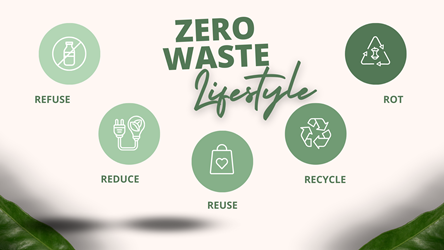
with the five R's: Refuse, Reduce, Reuse, Recycle, and Rot. Refusing
unnecessary items, such as single-use plastics and disposable packaging, is the
first step. By saying no to items that contribute to waste, we can
significantly cut down on the amount of trash we produce.
Next,
reducing what we need and opting for high-quality, long-lasting products help
to curb the culture of overconsumption. This might mean buying fewer clothes
but choosing those that are made sustainably, or investing in durable
kitchenware instead of disposable alternatives. Reusing is another cornerstone
of zero waste living. This involves finding new purposes for items we already
own, like using glass jars for storage or repurposing old clothes into cleaning
rags.
Recycling,
while not the ultimate solution, remains an important practice for managing
unavoidable waste. Ensuring that items are properly sorted and sent to
recycling facilities can help reduce landfill waste and promote the reuse of
materials. Lastly, composting organic waste, or "rot," is a natural
way to handle food scraps and yard waste, turning them into nutrient-rich soil
for gardens.
Transitioning
to a zero-waste lifestyle also involves making mindful purchasing decisions.
Choosing products with minimal packaging, supporting local markets, and buying
in bulk can all contribute to less waste. Moreover, bringing your own reusable
bags, containers, and utensils when shopping or eating out can prevent the
accumulation of single-use items. The kitchen and bathroom are great places to
start making changes, such as switching to bamboo toothbrushes, using cloth
napkins instead of paper, and selecting eco-friendly cleaning products.
Adopting a zero-waste lifestyle is not about perfection but about making continuous efforts to improve and reduce waste where possible. It encourages a deeper connection to our consumption habits and fosters a more sustainable way of living. As more individuals embrace this lifestyle, we collectively move towards a healthier planet, proving that small, consistent actions can lead to significant environmental benefits.