As urban areas
across the globe grapple with rising temperatures, innovative solutions are
becoming increasingly essential to ensure the comfort and health of city
dwellers. One such solution is the implementation of mist systems. These
systems, which release fine droplets of water into the air, have proven
effective in reducing temperatures in both indoor and outdoor environments.
This blog post delves into how mist systems work, their benefits, applications,
and considerations for their implementation.
Understanding
Mist Systems
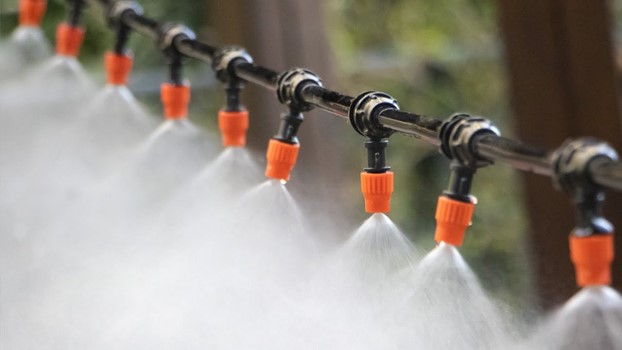
Mist systems
operate by dispersing fine droplets of water into the air. These droplets,
typically produced by high-pressure nozzles, quickly evaporate, absorbing heat
from the surrounding air in the process. This phenomenon, known as evaporative
cooling, lowers the ambient temperature and provides a cooling effect.
How Mist
Systems Reduce Temperatures
Evaporative
Cooling:
The primary
cooling mechanism of mist systems is evaporative cooling. When the fine mist
evaporates, it absorbs heat from the air, effectively reducing the temperature.
This is similar to the natural cooling process of perspiration on the human
skin.
Humidity
Regulation:
While mist
systems add moisture to the air, they can be designed to regulate humidity
levels effectively. In dry climates, this can be particularly beneficial as it
increases comfort without creating an overly humid environment.
Microclimate
Creation:
Mist systems can
create localized microclimates in specific areas. This is particularly useful
in outdoor spaces where conventional air conditioning is not feasible.
Incorporating mist systems in schools and colleges
Incorporating
mist systems in schools and colleges can significantly enhance the comfort and
well-being of students and staff, particularly during hot weather. These
systems can be strategically placed to maximize their cooling effects while
also being energy-efficient and environmentally friendly. Here are some ways mist
systems can be integrated into educational institutions:
1. Outdoor
Playgrounds and Sports Fields
Ø
Cooling Play Areas: Install mist systems around playgrounds to keep the areas cool and
comfortable, reducing the risk of heat-related illnesses during outdoor
activities.
Ø
Athletic Fields: Place misting stations around sports fields to provide cooling
relief for athletes during practices and games. This can be particularly useful
during physical education classes and sports events.
2. Courtyards
and Common Areas
Ø
Central Courtyards: Schools and colleges often have central courtyards where students
gather during breaks. Misting systems can be set up in these areas to create a
cool and inviting atmosphere.
Ø
Seating Areas: Install mist systems in outdoor seating areas where students study,
eat, or socialize. This can make these spaces more usable and comfortable even
on hot days.
3. Walkways
and Pathways
Ø
Covered Walkways: Incorporate mist systems in covered walkways or pergolas to provide
cooling as students move between classes. This can help reduce the overall heat
exposure throughout the day.
Ø
Main Entrances and Exits: Install mist systems near the main entrances and exits to cool down
students as they enter or leave the buildings, creating a more pleasant
transition between indoor and outdoor environments.
4. Cafeterias
and Dining Areas
Ø
Outdoor Dining Spaces: Enhance outdoor dining areas with mist systems to encourage their
use even during hot weather. This can alleviate congestion in indoor dining
facilities and provide a comfortable alternative.
Ø
Portable Misting Fans: Use portable misting fans in large dining areas during peak usage
times, providing targeted cooling where it is most needed.
5.
Auditoriums and Event Spaces
Ø Outdoor Auditoriums: For schools and
colleges with outdoor auditoriums or amphitheaters, mist systems can keep the
audience cool during performances, assemblies, and events.
Ø Temporary Installations: For special
events, temporary misting setups can be arranged to provide cooling in tents,
temporary seating areas, and other event-specific locations.
6. Building
Exteriors and Rooftop Spaces
Ø
Building Facades: Install misting systems along the exteriors of buildings,
especially those with large glass surfaces, to reduce heat buildup and improve
the overall cooling of the building.
Ø
Rooftop Terraces: Utilize mist systems on rooftop terraces and study areas to create
a comfortable environment for students to relax and study.
7. Green
Spaces and Gardens
Ø
School Gardens: Integrate mist systems in school gardens to create a cool
microclimate, encouraging students to spend more time learning and engaging with
nature.
Ø
Botanical Areas: In colleges with botanical gardens or outdoor research areas, mist
systems can help maintain a cooler environment for both plants and students
conducting research.
8. Portable
Misting Stations
Ø Movable Units: Use portable misting
stations that can be relocated as needed. These units can be used during
outdoor events, field days, and other activities, providing flexible cooling
solutions.
Implementation
Considerations:
Ø
Ensure the water used in mist
systems is clean and safe. Regular maintenance and filtration can prevent
issues related to water quality.
Ø
Consider the placement of mist
systems to avoid slippery surfaces, especially in high-traffic areas.
Ø
Use energy-efficient pumps and
nozzles designed to minimize water usage while maximizing cooling efficiency.
Ø
Implement timers or sensors to
operate mist systems during peak heat times, reducing unnecessary usage.
Ø
Plan the installation of mist
systems in a way that complements the existing layout and infrastructure of the
school or college.
Ø
Coordinate with facilities
management to ensure proper integration and maintenance.
Ø
Use the implementation of mist
systems as an educational opportunity. Engage students in learning about
evaporative cooling, energy efficiency, and sustainable practices.
Ø
Involve students in the
planning and maintenance process, fostering a sense of ownership and
responsibility.
Benefits of
Mist Systems
Ø
Energy Efficiency:
Compared to
traditional air conditioning, mist systems are highly energy-efficient. They
consume less power and can be powered by renewable energy sources.
Ø
Cost-Effectiveness:
Installation and
operational costs of mist systems are generally lower than those of air
conditioning systems, making them a cost-effective cooling solution.
Environmental
Impact:
Mist systems
have a smaller environmental footprint. They use water, a renewable resource,
and produce no greenhouse gas emissions, unlike air conditioning units that
rely on refrigerants.
Ø
Health and Comfort:
By lowering temperatures and regulating humidity, mist systems can enhance comfort and reduce heat-related health risks, such as heat exhaustion and heatstroke.