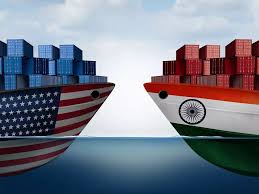
In recent years, trade relations between the United States
and India have witnessed both cooperation and contention. One of the most
debated aspects of this relationship has been the imposition of American
tariffs on Indian goods. While the U.S. justifies these tariffs as necessary to
protect domestic industries and address trade imbalances, India views them as
unfair barriers that hurt its exporters. Understanding the context, causes, and
consequences of these tariffs is essential to grasp the changing dynamics of
global trade and diplomacy between the two democracies.
A
background Shifting Trade Relationship
The United States is one of India’s largest trading
partners, and India ranks among the top ten for the U.S. Over the past two
decades, trade between the two nations has expanded dramatically, crossing over
$190 billion in recent years. However, this growth has not been without
friction. The U.S. has often expressed concerns about India’s market access
barriers, high import duties, and intellectual property policies. Conversely,
India has criticized American protectionism and withdrawal of trade benefits
under the Generalized System of Preferences (GSP) in 2019 — a move that
significantly affected Indian exports.
The Trump administration’s “America First” policy marked a
turning point. India faced higher tariffs on products like steel, aluminum,
textiles, and certain agricultural goods, while retaliating with its own duties
on American almonds, apples, and lentils. Although the Biden administration has
taken a more diplomatic approach, many tariffs still remain, symbolizing
unresolved trade tensions.
Major
Sectors Affected
Several key Indian industries have borne the brunt of these
tariffs.
Textiles and Apparel: India’s textile exports, traditionally
a strong sector, face stiff competition due to higher import duties in the U.S.
This has reduced India’s price competitiveness compared to countries like Vietnam
and Bangladesh.
Steel and Aluminum: American tariffs on metal imports,
originally introduced under national security grounds, hit Indian producers
hard. Steel exports to the U.S. dropped significantly, impacting employment in
industrial regions.
Agriculture: Indian exporters of basmati rice, spices, and
seafood have also felt the pinch, as higher costs make their goods less
attractive in the American market.
Economic
Consequences
The immediate consequence of American tariffs is a decline
in export revenue for Indian businesses. Small and medium enterprises (SMEs),
which make up a large share of India’s export ecosystem, are especially
vulnerable. Reduced access to the U.S. market means lower profits, layoffs, and
production cuts.
On the macroeconomic level, tariffs contribute to a widening
trade imbalance. India’s exports to the U.S. slow down while its imports —
especially high-tech goods and machinery — continue to rise. This weakens
India’s current account position and may affect the rupee’s stability.
However, tariffs also push Indian industries to diversify
their markets and innovate. Many companies are exploring new export
destinations in Europe, Africa, and Southeast Asia. Additionally, there has
been a renewed emphasis on domestic manufacturing through initiatives like
“Make in India” and “Atmanirbhar Bharat” (Self-Reliant India). These programs
aim to reduce dependency on any single foreign market and build internal
resilience.
Geopolitical
and Strategic Implications
Beyond economics, tariffs have geopolitical implications.
India and the U.S. share strong strategic ties in defense, technology, and
regional security, particularly in countering China’s influence. Yet, trade
frictions often cast a shadow over these partnerships. For India, balancing its
role as a key U.S. ally while safeguarding its economic interests remains a
delicate act.
The U.S., on the other hand, must weigh the long-term
benefits of nurturing a reliable democratic partner against the short-term
political gains of protectionism. Tariff disputes risk alienating Indian
policymakers and businesses, potentially slowing cooperation in other critical
areas like clean energy, digital trade, and defense manufacturing.
The Road
Ahead
Despite past tensions, there are signs of progress. Ongoing
discussions under the U.S.-India Trade Policy Forum aim to resolve tariff
issues and enhance market access on both sides. A gradual move toward mutually
beneficial trade agreements could restore confidence and boost economic growth.
In conclusion, while American tariffs on Indian goods have
strained economic ties and disrupted certain industries, they also serve as a
reminder of the interdependence between the world’s two largest democracies.
The future of U.S.-India trade will depend on diplomacy, fairness, and the
shared vision of a more open and balanced global economy.