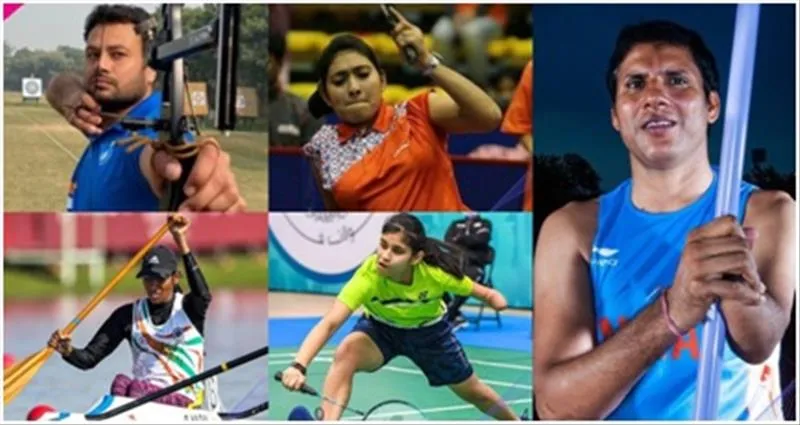
Even the felicitations still continue for Tokyo Olympics; so far the Indian para athletes have delivered a remarkable cycle of new joy. Their 19-medal draw not only topped the 12 medals won until the Tokyo Paralympics, it also placed the country in the 24th honors. Our 5 gold, eight silver and 6 bronzes are spread across shooting, badminton, Javelin, Ping-Pong, high jump, discus throwing and archery. This performance exceeds pre-competitive speculation.
While 19 medals reflect additional support, the right gaps are still needed to be filled. For example, India's first table tennis para-medallist Bhavina Patel, who was diagnosed with polio during infancy, spoke of how often he had to investigate his family's training and equipment bank account. Cutting-edge technology can be as costly. But new wheelchairs and other assistive technology can improve speed and mobility. With a prosthetic leg, Markus Rehm of Germany set a record that may have won him a long-standing gold rush at the mighty Olympics. Today there's no shortage of solutions to assist Indians with disabilities to measure more fully. The next serious step is to take this momentum, with the goal of achieving 38 medals at the Paris 2024 Paralympic Games.
The International Paralympic Committee estimates that about 15% of the world's population is disabled and therefore the Games are intended to encourage communities to increase disability infrastructure and social inclusion not only physically but also psychologically. The Paralympic Committee of India and other stakeholders must spread the stories of the Tokyo champions across the country, their struggles as high as their success, so that they can be role models, breaking the stereotypes with their journey beyond “specially blessed beyond especially abled”.